
April 22, 2026
Once a dental implant has properly healed, it becomes a part of you. Through osseointegration, the titanium fixture fuses with the bone, forming a strong, natural bond. But “sturdy” doesn’t mean “indestructible”—there’s still plenty of work to be done to keep your smile looking and feeling great. Here are some lifestyle changes you can make to keep your dental implants working for you.
Build a Consistent Oral Hygiene Routine
One of the biggest enemies of dental implants is plaque, specifically the bacteria that like to live in it. Neglecting your oral hygiene can allow these germs to infiltrate your gums, potentially leading to peri‑implantitis. This infection can eventually cause bone loss that could put your dental implants at risk.
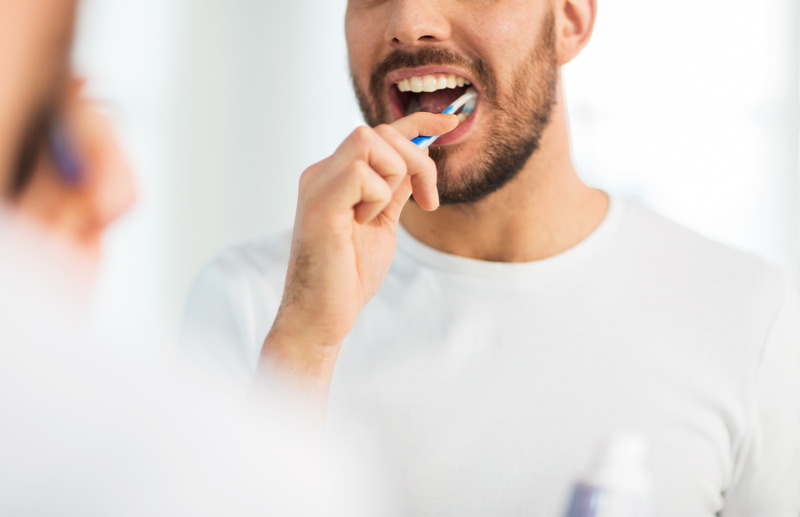
The best way to combat this is by building an oral care routine that’s thorough and consistent. Start with regular brushing with a soft‑bristle toothbrush, flossing every day, and seeing your dentist for checkups biannually. These habits will all help protect the tissues supporting your implant.
Quit Smoking and Limit Alcohol
Smoking restricts blood flow, slows healing, and significantly increases implant failure rates. By the same token, heavy alcohol use can interfere with bone healing and weaken the tissues around your implant.
If you want your implants to truly go the distance, stopping these habits before your surgery and only indulging moderately in the months afterward will help. Even better? Use your implant treatment as an excuse to quit for good!
Eat an Implant‑Friendly Diet
What you put in your mouth after getting implants matters more than ever. If you want to improve your nutrition while strengthening the bond with your implants, try foods rich in calcium, vitamin D, and vitamin C—nutrients that improve jawbone and gum health.
Some great foods to include in your weekly menu are dairy products, leafy greens like kale, fatty fish, eggs, red bell peppers, and skin-on potatoes. At the same time, it’s best to limit sticky candies, acidic drinks, and overly hard foods to prevent stress, bacteria, or irritation from harming your implants.
Manage Your Stress and Overall Health
If bacteria are one enemy of implants, stress and inflammation are their partner in crime. Not only can high stress increase clenching and grinding, but it can also raise cortisol levels, weakening your immune system. Regular physical activity and stress‑reduction techniques can improve your health and keep your implants strong.
Protecting your dental implants and staying healthy isn’t difficult, but it can be hard to know what to do. With these tips, you can make small, meaningful changes to your lifestyle that will help your restorations stand the test of time.
About the Author
Dr. Daniel Lim earned his DMD from Nova Southeastern University and has completed over 800 hours of continuing education, largely focused on dental implant surgery. He has trained at the prestigious Kois Center and is a member of the International Congress of Oral Implantologists. Today, he’s committed to delivering precise, patient‑centered care that restores long‑term oral health. Call (817) 375-0400 or visit our website to schedule a dental implant consultation.